

WHO WE ARE
Sound Choice Pharmaceutical Institute (SCPI) is a 501 (c)3 non-profit organization with a mission to end human trafficking and exploitation for the purposes of biomedical research and commercial products. Our President and Founder, Theresa Deisher Ph.D., has over 30 years of pharmaceutical research and leadership experience. She discovered adult cardiac derived stem cells, has worked on their therapeutic uses as an alternative to human fetal DNA, and leads a team of scientists at AVM Biotechnology dedicated to changing what a diagnosis of cancer, autoimmunity, or chronic infectious disease means to patients and their loved ones. As a result of this work, Dr. Deisher is named as an inventor on over 47 patents.
OUR VALUES
End Exploitation. Eliminate Needless Suffering.
OUR RESEARCH
It is a well understood scientifically that primitive human DNA fragments when injected into a person could 1) activate the immune system and potentially trigger an autoimmune reaction in genetically susceptible people and 2) insert into the genome of blood-forming stem cells causing mutations. As the DNA in the genes govern the function of the cells, such DNA insertions can seriously disrupt the function of the mutated cell. Sound Choice Pharmaceutical Institute (SCPI) researches the potential health risks of the residual human DNA found in some vaccines and other products.
VACCINE SCIENCE & HUMAN FETAL CELLS
The production of virus-based vaccines involves growing a virus in living cells. Historically they have been manufactured by using animal cell lines that contain the Deoxyribonucleic Acid (DNA) of that animal. Within the final product some residual living DNA remains as a contaminant in the vaccine as it cannot all be filtered out. In 1979, some vaccine manufacturers switched from using animal cell lines to using human fetal cell lines. Vaccines manufactured on human cells are contaminated with residual human fetal DNA and in some cases a retrovirus. This includes vaccines on both the CDC’s pediatric and adult recommended schedules.
NEWS AND STORIES
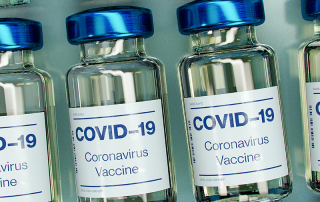
Sound Choice Winter 2020 Newsletter
COVID-19 Vaccine Development Facts, Safety and Efficacy, Alternative COVID-19 Treatment Options
SUPPORT OUR CRITICAL RESEARCH
Understanding that many have been hard hit financially by the continued and repeated lockdowns, we would like to ask those who are able to continue to donate to support our efforts at Sound Choice. Your generous donations allow us to do the research and advocacy in highlighting the dangers of the use of aborted fetal material in the manufacture of vaccines and other biologics and products. We are grateful for your help.